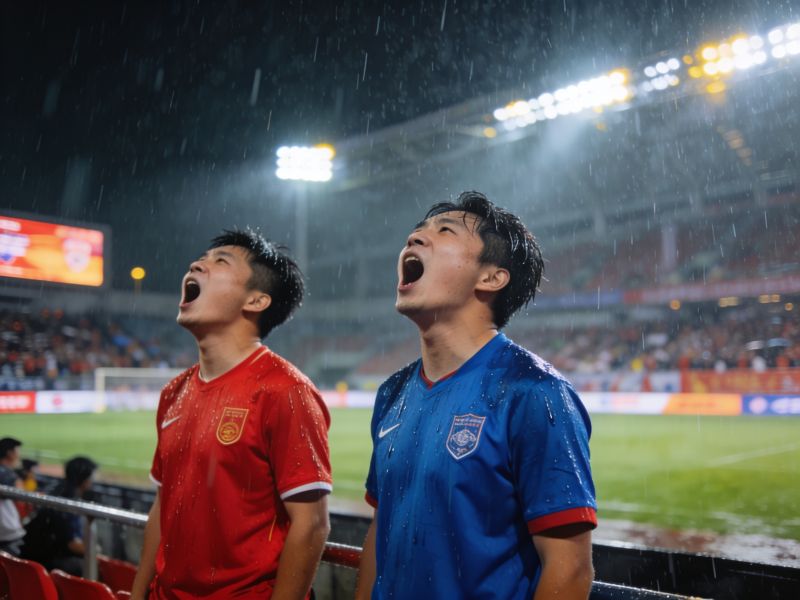
he 2017 East Asian Cup was not a showcase of full-strength national teams. It was a laboratory. Japan, South Korea, and China all treated the tournament as a stress test for domestic-based squads and emerging talent. That makes it a goldmine for coaches who want concrete examples of how short tournament formats expose tactical gaps and reward adaptability. Start by digging into match footage—specifically Japan's 2-1 win over China in the opening round. Watch how Japan’s midfield compressed space without the ball, forcing China into wide areas where their crosses were easily cleared. That’s a repeatable pressing pattern for any team with limited preparation time.South Korea’s 4-1 victory over Japan in the final is another case worth dissecting. South Korea didn’t dominate possession—they had less of the ball. What they did was exploit transitions. Their second goal came from a three-pass sequence that started with a midfield interception and ended with a low cross to the back post. If you’re coaching a team that struggles to break down organized defenses, use that goal as a teaching clip: show your players how quickly a turnover can become a scoring chance when three players sprint into the box. The 2017 East Asian Cup gave us that sequence—it’s not theoretical, it’s on tape.
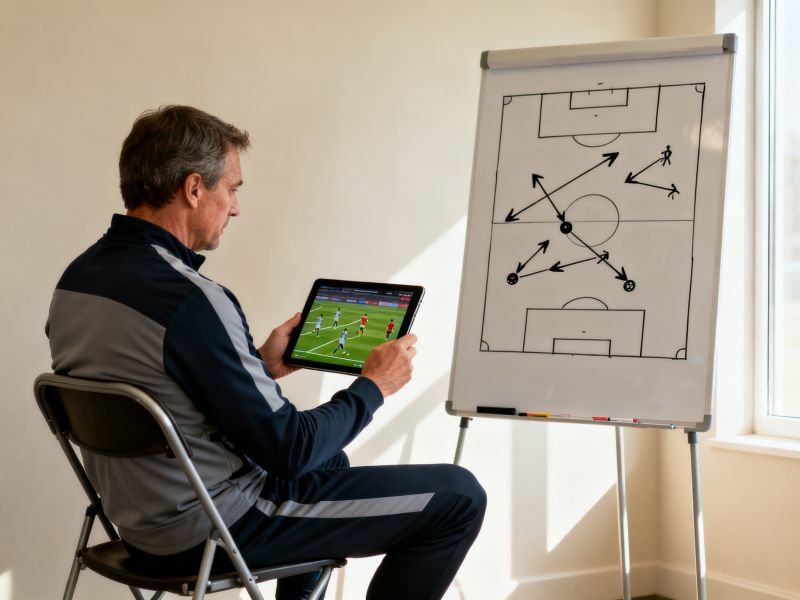
Here’s a personal observation from re-watching the tournament: the team that won the most aerial duels didn’t win the cup. South Korea lost the aerial battle in the final but won because theycontrolled the second balls. That’s a subtle distinction. When you run a training session based on the 2017 East Asian Cup, don’t just rehearse headers. Design a drill where a long ball is played into a congested zone, and two teams compete for the knockdown. The winner must complete three passes under pressure before shooting. This replicates the chaos of the final and forces players to think beyond the first contact.Set pieces decided two of the six matches in the 2017 East Asian Cup. Japan’s goal against China came from a short corner routine—a deliberate pull-back to the edge of the box. That’s a low-risk, high-reward pattern you can install in one session. Forget elaborate free-kick choreography. Teach your players to recognize when the opposition leaves the near post unguarded. Then practice a quick, driven ball to that space. The 2017 East Asian Cup wasn’t a tactical revolution, but it was a reminder that set-piece discipline wins tight games when legs are heavy.Use the 2017 East Asian Cup as a scouting reference, too. Several players who featured—like Japan’s Shoma Doi and South Korea’s Kim Shin-wook—later moved to stronger leagues. Pull up their tournament stats and compare them to their club form six months later. You’ll notice a pattern: tournament performance often exaggerates a player’s consistency. That’s not a reason to dismiss the data. It’s a reason to watch the full 90 minutes, not just the highlights. The 2017 East Asian Cup gave us a compact, four-team sample. Treat it like a coach’s workbook—messy。specific, and far more useful than a generic highlight reel.