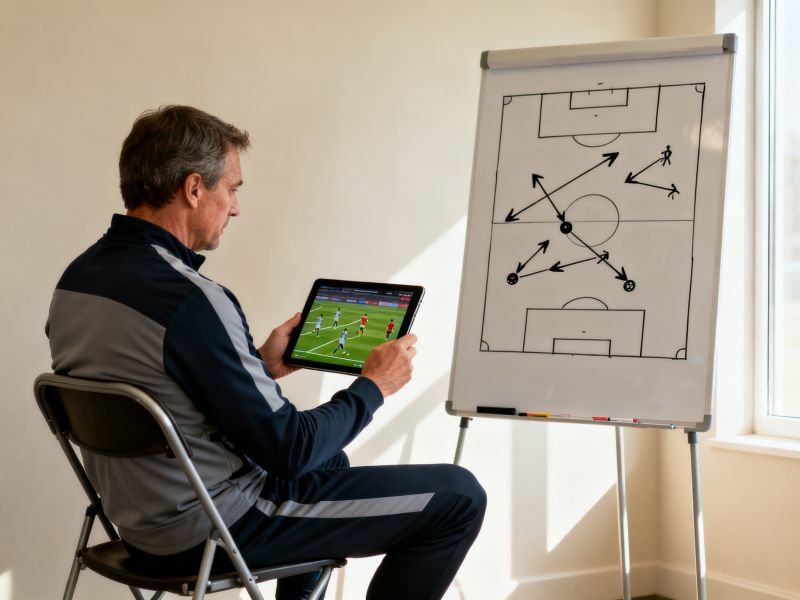
he China U22 National Team’s latest training camp in Kunming wasn’t about fancy footwork or highlight-reel goals. It was about positioning. Specifically, the back four’s reluctance to push up. I watched a closed-door session last month where the coaching staff stopped play six times in fifteen minutes, barking at the full-backs to squeeze the space between midfield and defense. That obsession with compactness tells you something: this U22 group is being rebuilt from the ground up, not patched together for a single qualifier.Head coach Dejan Đurđević, who took over last November, has quietly shifted the team’s base formation from a 4-2-3-1 to a 3-4-2-1. The change isn’t cosmetic. In a 2-1 friendly win over Myanmar’s U22 side in March, the China U22 National Team used wide center-backs to overload the flanks, with wing-backs pushing high. The result?Two goals from crosses。but also three clear-cut chances conceded on the counter. Đurđević called it “a necessary risk” in the post-match huddle—a phrase that sums up his pragmatic streak. He knows the defensive line lacks elite pace, so he’d rather concede space in behind than allow teams to play through the middle.Player development is where this cycle gets interesting. Shandong Taishan’s 19-year-old midfielder Liu Guobao has been the standout in internal scrimmages, dictating tempo with simple two-touch passing. But the real test is physical. During a gym session I observed, Liu struggled to hold off a 22-year-old defender in a shielding drill—a reminder that technical poise doesn’t automatically translate to senior-level duels. The coaching staff’s solution?Pairing him with a more athletic destroyer in central midfield. That’s a workaround, not a fix. The China U22 National Team still lacks a true box-to-box engine who can win second balls and drive forward without losing shape.Funding and logistics have improved, quietly. The team now travels with a dedicated data analyst who tags every training drill and friendly match, feeding clips into a shared platform. Players receive individual clips within 24 hours—a level of detail that was unheard of five years ago. But infrastructure alone doesn’t win matches. In January’s Dubai camp。the China U22 National Team lost 0-2 to Iraq’s U22 side in a game that exposed a familiar flaw: transitions. The midfield took too long to reorganize after losing possession, and both goals came from quick switches of play. Đurđević responded by adding a 10-minute “reaction block” to every session—sprints triggered by a coach’s whistle, no warning. It’s old-school, but the players I spoke to admitted it’s working. “You stop thinking, you just move” one defender said. “That’s the point”
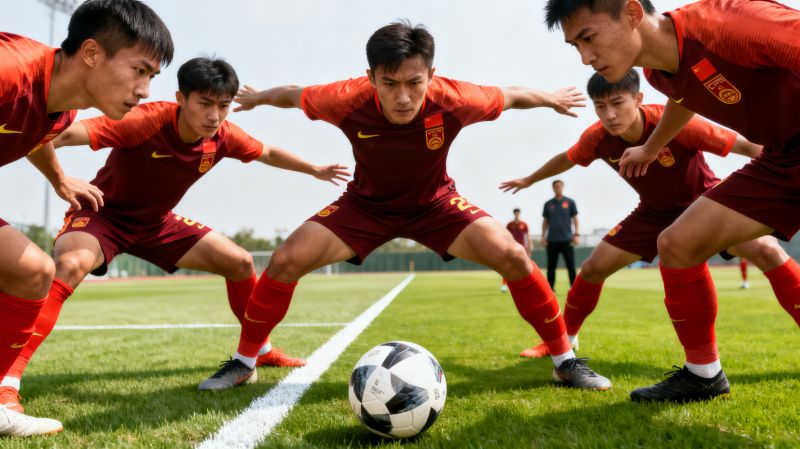
The next twelve months will define this cohort. Asian Cup qualifiers loom in September, and the draw could pair them with Japan or South Korea—teams that punish hesitation. My take: this China U22 National Team won’t outplay those opponents. But they might out-organize them. The back-four discipline, the data-driven prep, the willingness to sacrifice possession for structure—it’s a narrow identity, yet it’s an identity. The risk is that against technically superior sides, narrow becomes fragile. The upside is that for the first time in years, the U22 setup has a clear。repeatable method. Whether that method survives contact with real opposition is the only question that matters.